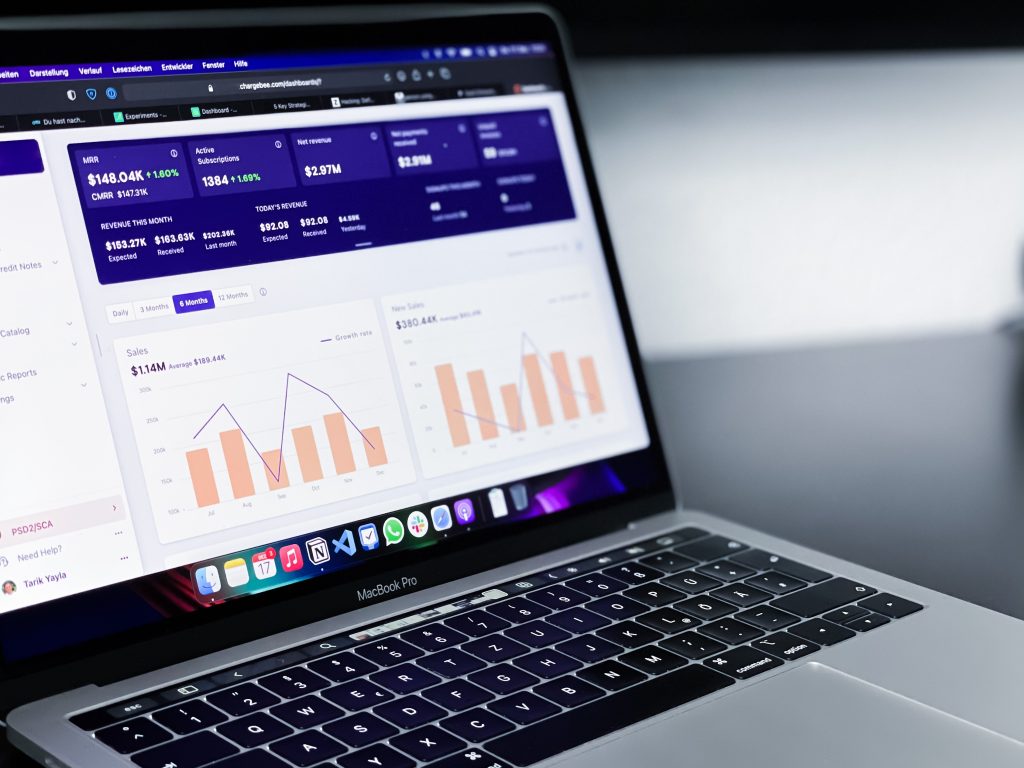
Photo by Campaign Creators on Unsplash
As we navigate through 2026, the landscape of digital marketing for UK businesses has shifted from a race for volume to a demand for precision. It is no longer enough to simply "publish more content." With the rise of AI-driven search and an increasingly discerning audience, your SEO strategy must be rooted in quality, trust, and relevance.
Whether you are a small business in Warwickshire or a growing enterprise in London, the secret to sustainable organic growth lies in a comprehensive content audit. If your existing blogs are gathering digital dust and your rankings are stagnant, it is time to stop guessing and start auditing.
This guide will walk you through the essential steps to refine your content ecosystem, ensuring every word on your website works hard to earn you leads and revenue.
1. The Content Inventory: Auditing for Gaps and Opportunities
The first step in any successful SEO strategy is understanding exactly what you already have. Many businesses make the mistake of creating new content to solve a traffic slump, without realising they are sitting on a goldmine of existing pages that just need a nudge.
Begin by exporting every URL on your site. You can use tools like Google Search Console or professional crawlers to gather this data. For each page, you need to identify:
- Which keywords it currently ranks for.
- The amount of organic traffic it receives.
- The conversion rate (how many readers actually take action).
Identify Your Content Gaps
Look for "content gaps": topics your competitors are covering that you are not, or questions your customers are asking that remain unanswered on your site. If you find you have high-traffic pages that do not lead to enquiries, you have a conversion gap. If you have great service pages that no one sees, you have an SEO gap. Mapping these out is the cornerstone of a professional website content and SEO audit.
Photo by Jason Goodman on Unsplash

2. Breathe Life into the Old: Updating and Refreshing
One of the quickest wins in digital marketing is "historical optimisation." Search engines prioritising "freshness" and accuracy, particularly in the UK market where consumer trends evolve rapidly.
Prioritise your updates based on potential:
- The "Striking Distance" Pages: Find pages ranking in positions 4–10 on Google. These are already considered relevant but need a boost to hit the top three.
- Outdated Statistics: If you have a blog post referencing "2023 trends," it is actively hurting your credibility. Update the data, the screenshots, and the year in the title.
- Thin Content: If a page is under 500 words and provides little value, either expand it with expert insights or consider the next step: merging.
By refreshing your most important assets, you signal to Google that your site is a current, authoritative source of information. This is a vital part of maintaining a healthy Google marketing presence.
3. Solving the Cannibalisation Crisis
Keyword cannibalisation occurs when multiple pages on your website target the same keyword or search intent. This confuses search engines and forces your own pages to compete against each other, often resulting in neither page ranking well.
During your content audit, look for pages that overlap significantly. If you have three different blogs about "How to choose a plumber in Birmingham," you are diluting your authority.
The Solution:
- Merge: Take the best elements of the three posts and combine them into one definitive "mega-guide."
- Redirect: Use a 301 redirect to point the weaker URLs to the new, authoritative one.
- Delete: If a page is truly obsolete and provides no SEO or user value, remove it entirely to clean up your site's "crawl budget."
4. Building Topical Authority with Content Clusters
In 2026, search engines are less interested in individual keywords and more interested in topical authority. They want to see that you are an expert in your specific niche.
Instead of writing random blog posts, structure your content into "clusters." This involves:
- Pillar Pages: A comprehensive, long-form guide on a broad topic (e.g., "The Ultimate Guide to Commercial Solar Panels").
- Cluster Content: Several shorter, more specific articles that dive deep into sub-topics (e.g., "Cost of Solar Installation," "Best Solar Panels for UK Weather," "Solar Tax Breaks for UK Businesses").
- Strategic Linking: All cluster articles must link back to the pillar page, and vice versa.
This structure tells search engines that your site is a comprehensive resource, making it much more likely that you will rank for both broad and specific queries.
Photo by Lukas Blazek on Unsplash

5. The Technical "Polish": Meta Tags and Internal Linking
Even the most brilliant content will struggle if the fundamentals are ignored. Meta descriptions and title tags are your "shop window": they are the first thing a user sees on the search results page.
Optimise Your Meta Data
- Title Tags: Ensure your primary keyword is near the beginning and keep it under 60 characters. Use your brand name at the end for trust.
- Meta Descriptions: While not a direct ranking factor, they are crucial for Click-Through Rate (CTR). Write them as compelling "ad copy" that tells the user exactly what they will gain by clicking.
Internal Linking Structure
Internal links are the "roads" that connect your content. They help search engines discover new pages and pass "link equity" (ranking power) across your site. Ensure every new post links to at least 2–3 relevant existing pages. This not only keeps users on your site longer but also reinforces your site's hierarchy. For more on these basics, check out our 10 essential SEO tips for UK businesses.
6. Content Formats That Drive Conversions
Ultimately, the goal of an SEO strategy is not just traffic: it is revenue. Different content formats serve different purposes in the customer journey:
- Educational "How-To" Guides: These build trust and capture users at the "awareness" stage.
- Case Studies: Essential for the "consideration" stage. Show, don't just tell, how you solved a specific problem for a UK client.
- Comparison Articles: "Product A vs Product B" helps users in the "decision" stage.
- Video Content: Increasingly, users prefer watching to reading. Embedding a 2-minute summary video in a long blog post can significantly increase dwell time and conversion rates.
Focus on creating "Experience-based" content. In a world of AI-generated text, first-hand expertise and unique UK-based case studies are your most valuable assets for E-E-A-T (Experience, Expertise, Authoritativeness, and Trustworthiness).

Conclusion: Taking the Next Step
A content audit is not a one-time event; it is a vital part of a healthy, growing business. By auditing for gaps, refreshing old posts, and structuring your content with topical authority in mind, you ensure that your website remains a powerful lead-generation tool.
At The Digital Academy, we understand that managing a complex SEO strategy while running a business is a challenge. That is why we offer a comprehensive digital marketing assessment that includes a deep dive into your content and SEO performance.
We provide you with a real-time score and a personalised action plan: showing you exactly which gaps need filling and which pages need a refresh to boost your scores from 45% to over 90%.
Stop guessing and start growing. Take your free digital marketing assessment today and let’s build a content strategy that actually converts.