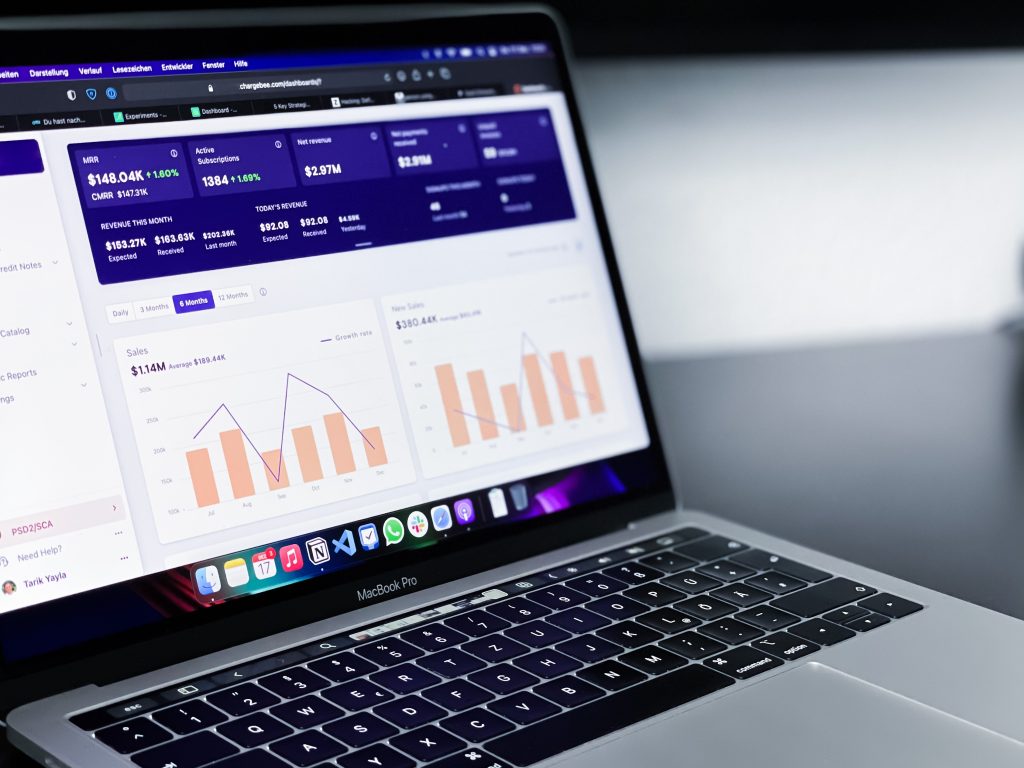
Photo by Firmbee.com on Unsplash
In the current digital landscape, the reputation of your business is no longer just a "vanity metric." For UK local businesses, your Google review profile has evolved into a powerhouse ranking factor that can make or break your visibility. If you have ever wondered why a competitor with a smaller shop or a less flashy website is outranking you in the Google Maps "Local Pack," the answer almost certainly lies in their review strategy.
As we move through 2026, Google’s algorithms have become increasingly sophisticated in how they interpret customer feedback. It isn't just about how many stars you have; it’s about how recently you received them, how often you engage with them, and the specific words your customers use to describe your service.
Why Google Reviews Are a Critical Local SEO Signal
For a local business, "Local SEO" refers to the process of optimising your online presence to attract more business from relevant local searches. Google determines these rankings based on three primary pillars: relevance, distance, and prominence.
Reviews feed directly into the prominence pillar. Google’s latest core updates have solidified reviews as the third most influential factor for Local Pack rankings, accounting for nearly 20% of the total ranking weight.
However, the "volume game" has changed. While having 500 reviews is impressive, Google now prioritises recency and velocity. A business that received 10 high-quality reviews in the last 60 days will often outrank a business with 200 reviews that haven't been updated in over a year. Google wants to show users businesses that are "active" and consistently providing good service today, not just three years ago.

The Power of Keywords in Reviews
One of the most overlooked aspects of review management is the actual text content. Google’s AI now parses the language used in customer feedback to understand exactly what you do and where you do it.
When a customer leaves a review saying, "The team provided excellent boiler repair in Warwick," they are essentially building your SEO for you. Those specific keywords: "boiler repair" and "Warwick": tell Google that you are a relevant result for those specific searches. This is why encouraging detailed feedback is far more valuable than a generic "Great service!" five-star rating.
How to Get More Reviews Without Being Pushy
Many business owners feel a sense of "British politeness" or hesitation when asking for reviews. You don't want to feel like a nuisance, but without asking, your satisfied customers will simply move on with their day, while the rare unhappy ones will seek out the platform to vent.
The key is to integrate the "ask" into your natural workflow. Here is how to do it ethically and effectively:
- Timing is Everything: The best time to ask is at the "moment of peak satisfaction": immediately after the service is completed or the product is delivered. For a trade business, this is right as you’re packing up your tools. For a restaurant, it’s just after the bill is paid.
- Remove the Friction: Don’t expect customers to search for you on Google. Provide a direct link. You can generate a "Review Link" inside your Google Business Profile dashboard.
- Use QR Codes: For physical locations, place a QR code on your receipts, business cards, or table tents. A simple "Scan to tell us how we did" works wonders.
- The "Honest Feedback" Script: Avoid asking for "five stars." Instead, say: "We’re a small local business and your honest feedback really helps others find us. If you have 30 seconds, we’d love to hear about your experience."
Responding to All Reviews: Why Silence Costs You Rankings
One of the biggest mistakes you can make is only responding to the bad reviews. Google has explicitly stated that responding to reviews improves your local ranking. Why? Because it demonstrates that the business is active, attentive, and values its customers.
When you respond to a positive review, you aren't just thanking that one customer; you are showing every future customer that you care. It also provides a small, secondary SEO opportunity. Without "keyword stuffing," you can subtly reinforce your services: "Thank you, Sarah! We’re so glad you enjoyed your afternoon tea with us here in Leamington Spa."
Handling the "One-Star" Nightmare Professionally
A negative review can feel like a personal attack. However, your response to a negative review is one of your most powerful marketing tools. Prospective customers often look at how a business handles complaints to see what will happen if they have an issue.
Follow this professional framework for negative reviews:
- Stay Calm: Never respond in the heat of the moment. Take 24 hours to investigate the situation internally.
- Acknowledge and Apologise: Even if the customer is technically wrong, apologise for their experience. "We’re sorry to hear that our service didn't meet your expectations on this occasion."
- Keep it Brief: Do not get into a public "he-said, she-said" argument. It looks unprofessional.
- Take it Offline: Provide a direct phone number or email and ask them to contact you so you can resolve the matter. Once the issue is settled, you can politely ask the customer if they would consider updating their review.

Photo by Campaign Creators on Unsplash
Using Review Insights to Improve Your Business
Reviews are a treasure trove of free market research. If multiple customers mention that your "booking process was a bit confusing," or that "parking was difficult to find," take it as an actionable insight rather than a criticism.
By addressing these friction points, you aren't just improving your service: you are preventing future negative reviews and creating a smoother "customer journey." This holistic approach to website performance and content ensures that once people find you via Google, they actually convert into paying clients.
The Bottom Line: Be Proactive, Not Reactive
In 2026, you cannot afford to leave your reputation to chance. A proactive review management strategy is a cornerstone of modern digital marketing. It builds trust, boosts your SEO rankings, and provides you with the data needed to outpace your local competition.
Whether you are a seasoned business owner or just beginning to focus on your online presence, the time to start gathering fresh, high-quality reviews is now.
Are you unsure how your business stacks up against the competition? Our comprehensive digital marketing assessment analyzes your Google Business Profile, SEO, and social media presence to give you a real-time score. We’ll show you exactly where the gaps are and provide a personalised action plan to help you reach that 90-97% performance bracket.
Get your free Digital Marketing Assessment today.